How to check imei number
How to Check an IMEI Number (Step-by-Step Guide)
How to Check an IMEI Number (Complete Guide)
Checking an IMEI number is one of the most important steps before buying or selling a used phone. The IMEI (International Mobile Equipment Identity) is a unique number assigned to every mobile device.
By checking an IMEI number, you can learn important information about the device, including its blacklist status, carrier lock, and device model.
This guide explains how to check an IMEI number safely and why it matters.
What Is an IMEI Number?
An IMEI number is a 15-digit identification code assigned to every mobile device that connects to cellular networks.
Carriers and manufacturers use the IMEI to identify devices, verify their authenticity, and track blacklist status.
Example IMEI: 356938035643809
Every phone has a unique IMEI.
Why You Should Check an IMEI Number
Checking the IMEI helps you avoid serious problems when buying a used phone.
Here are the most common reasons:
1. Verify blacklist status
A phone may be blacklisted if it was reported lost or stolen.
Blacklisted phones often cannot connect to mobile networks.
2. Confirm device information
IMEI checks reveal details such as:
- Device model
- Manufacturer
- Network compatibility
- Activation status
3. Avoid scams
Some sellers advertise one phone but deliver another.
Checking the IMEI helps verify the real device information.
4. Check carrier lock status
IMEI results can show whether a phone is locked to a specific network.
How to Check an IMEI Number
Follow these steps:
Step 1: Find the IMEI number
You can find the IMEI using one of these methods:
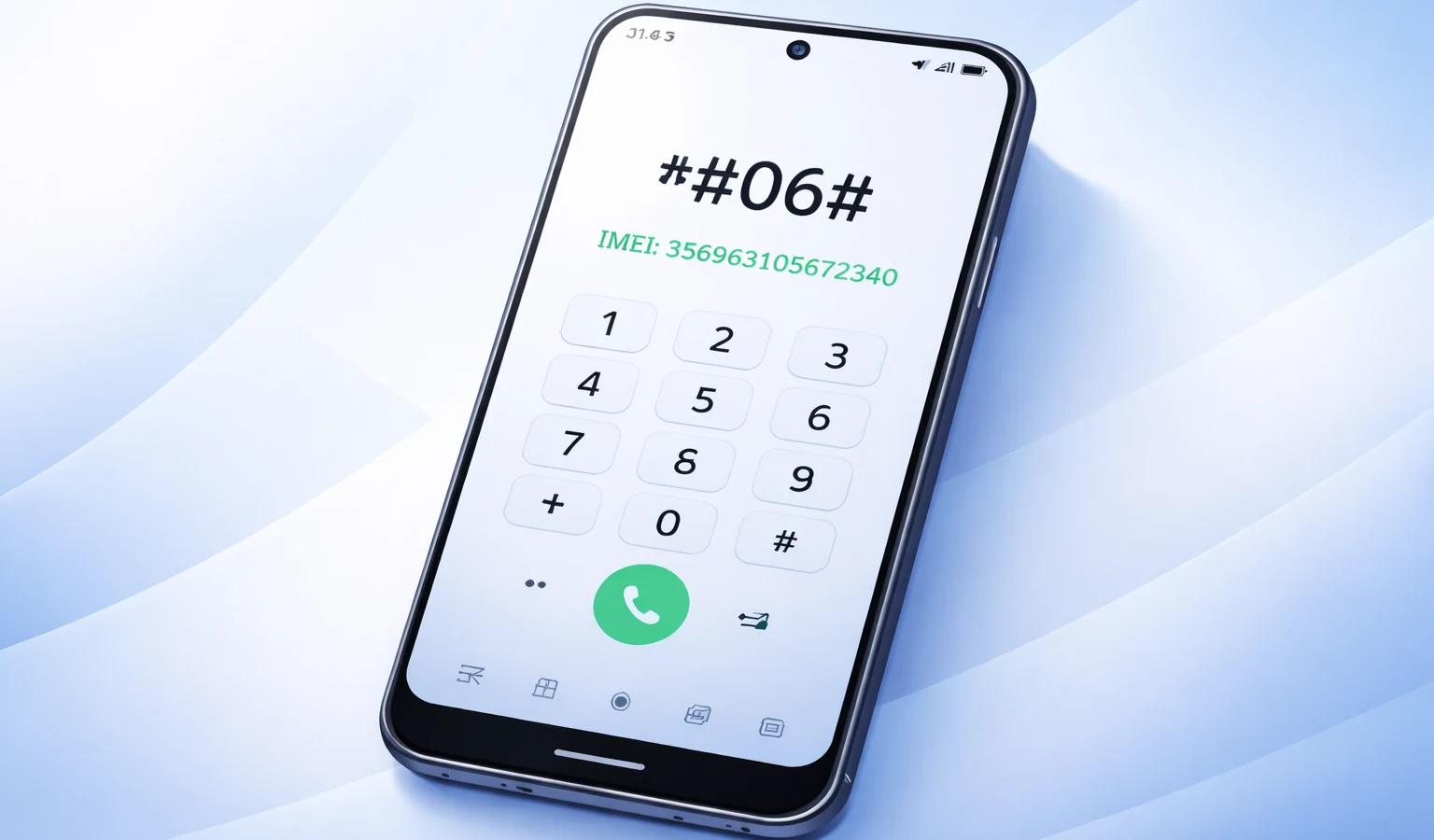
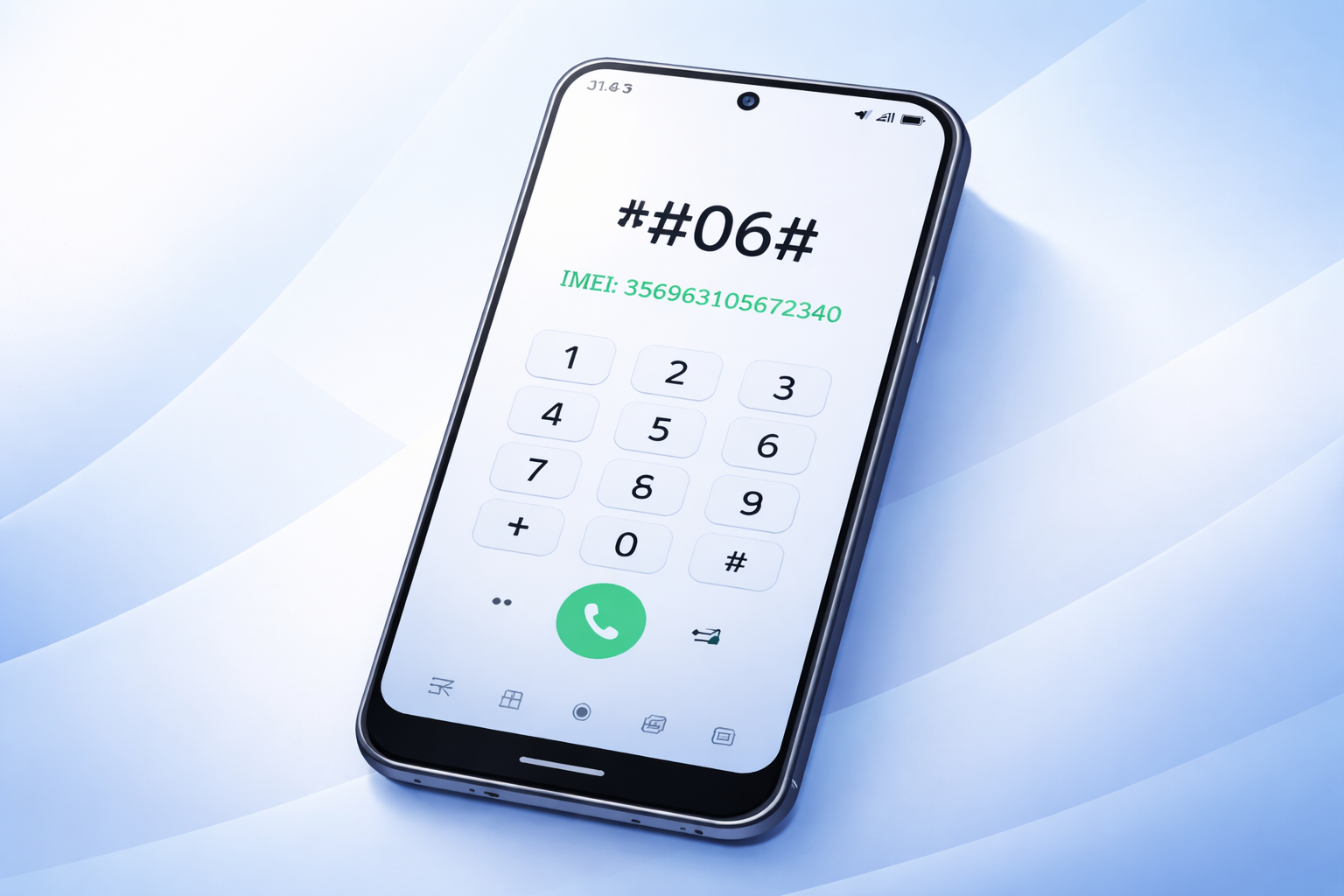
Dial code *#06#
Your phone will display the IMEI instantly.
Settings
Go to:
Settings → About Phone → Status → IMEI
Device packaging
The IMEI is often printed on the original box.
Step 2: Enter the IMEI into a checker
Use a trusted IMEI checker tool to retrieve device information.
Enter the IMEI number and run the check.
The report usually includes:
- Blacklist status
- Device model
- Manufacturer
- Carrier information
- Warranty details (in some cases)
What Information an IMEI Check Shows
An IMEI check typically returns several details.
Device model
Confirms the exact phone model.
Blacklist status
Shows whether the phone was reported stolen or lost.
Carrier information
Indicates the original carrier and possible network lock.
Warranty information
Some services reveal warranty or activation details.
Is It Safe to Share an IMEI Number?
In most cases, sharing an IMEI for verification is safe.
However, avoid posting your IMEI publicly on forums or social media.
Only use reputable tools when checking your device.
When You Should Always Check the IMEI
IMEI checks are especially important when:
- Buying a used phone
- Purchasing devices from online marketplaces
- Importing phones from other countries
- Selling a phone to confirm its status
Run an IMEI Check
If you want to verify a phone instantly, you can run an IMEI check using our tool.
The report will show device details, blacklist status, and other information that helps you make safer buying decisions.
Continue with related IMEI guides
Explore practical checks and verification guides before buying or selling a used phone.
Run a quick device screening before buying or selling a used phone.
Find out whether a phone may have been reported lost, stolen, or blocked.
Verify whether a phone is restricted to a specific mobile network.
Read the step-by-step guide to verify a phone safely before paying a seller.
More from our blog
Continue reading more IMEI, blacklist, carrier, and used phone guides.
A technical breakdown of why factory-unlocked eSIM-only phones encounter 'IMEI Not Supported' errors on MVNOs, exploring the 3-Gate framework, host network whitelisting, TAC checks, and regulatory context.
New to eSIM? This beginner-friendly guide explains what an eSIM is, how it works, its advantages and disadvantages, and why travelers are switching to eSIM technology.
Not sure if your iPhone is locked to a carrier? This quick guide shows you how to check directly in your settings and understand what the results mean.
Your IMEI check says clean but your phone still doesn’t work? Learn the real reasons and what you can do before buying or using a device.