How to Avoid Scams When Buying a Used Phone (Real Buyer Guide)
Avoid common scams when buying a used phone. Learn how to spot red flags, verify devices, and protect your money before you buy.
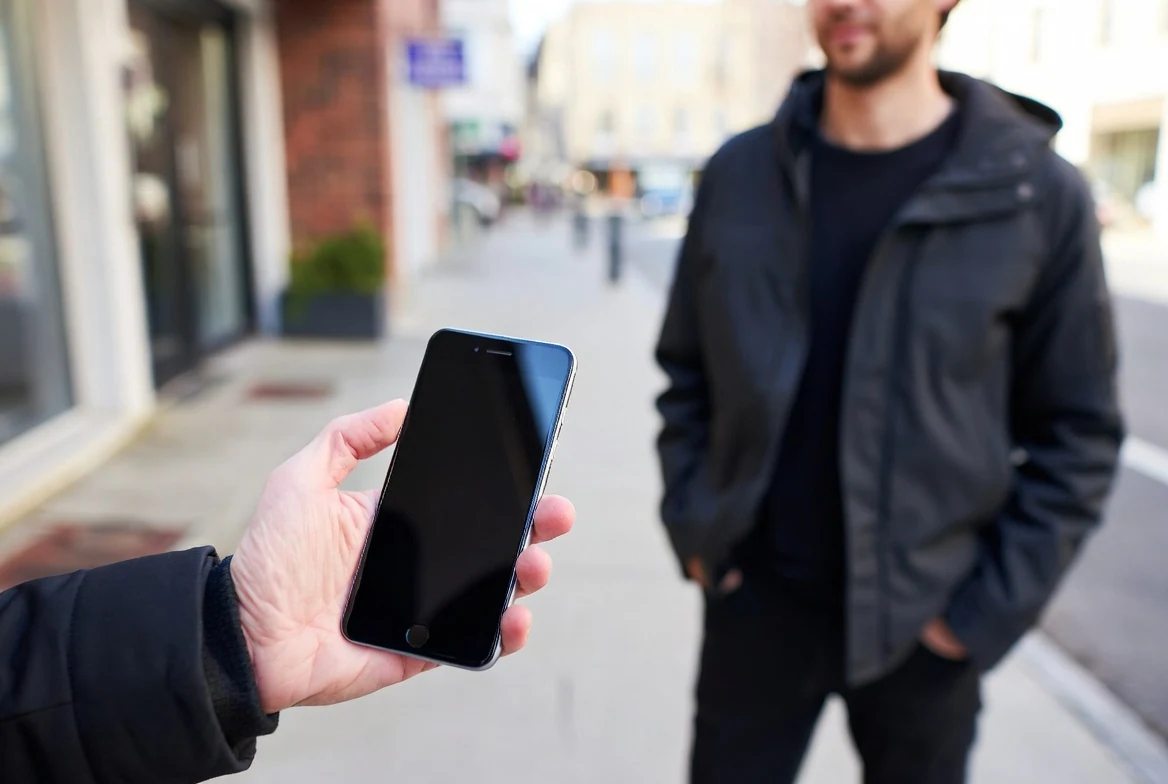
How to Avoid Scams When Buying a Used Phone
Buying a used phone can save you a lot of money — but it can also cost you everything if you’re not careful.
Scams are more common than most people think, and many of them look completely legitimate at first.
Here’s how to protect yourself before you pay.
The Most Common Used Phone Scams
These are the situations that cause the most problems:
1. The “Everything Works” Lie
The phone looks perfect, turns on, and even connects to Wi-Fi.
But after purchase:
- No network signal
- SIM not working
- Device blocked
2. Blacklisted After the Sale
This is one of the worst cases.
The phone works fine when you test it — but later gets reported:
- Lost
- Stolen
- Unpaid
Now it becomes unusable on networks.
3. Fake or Changed IMEI
Some sellers try to hide issues by modifying or masking the IMEI.
This can lead to:
- Invalid device info
- Network issues
- Legal problems
4. Carrier Locked Devices
The phone may only work with one specific carrier.
If you use a different one:
- No signal
- No data
- SIM rejected
Red Flags You Should Never Ignore
Before buying, watch for these warning signs:
- Price is too good to be true
- Seller refuses to share IMEI
- Meeting location feels rushed or unsafe
- No proof of purchase
- Seller avoids questions
If something feels off, it probably is.
What I Personally Check Before Buying
Here’s the exact process I follow:
- Ask for the IMEI number before meeting
- Run a check to verify device status
- Confirm blacklist status
- Verify carrier compatibility
- Test the phone with my own SIM
This takes a few minutes — but can save hundreds of dollars.
The One Step Most Buyers Skip
Most people only check if the phone turns on.
That’s not enough.
The critical step is checking the IMEI before paying.
👉 You can do it here:
Free IMEI check tool
Where It’s Safer to Buy
Some places are safer than others:
- Reputable refurbished stores
- Platforms with buyer protection
- Verified sellers with history
Avoid:
- Cash-only anonymous deals
- Sellers who rush the transaction
Final Advice
A used phone deal should never feel rushed.
If you feel pressure, walk away.
The safest buyers follow one simple rule:
Check everything before you pay.
Continue with related IMEI guides
Explore practical checks and verification guides before buying or selling a used phone.
Run a quick device screening before buying or selling a used phone.
Find out whether a phone may have been reported lost, stolen, or blocked.
Verify whether a phone is restricted to a specific mobile network.
Read the step-by-step guide to verify a phone safely before paying a seller.
More from our blog
Continue reading more IMEI, blacklist, carrier, and used phone guides.
A technical breakdown of why factory-unlocked eSIM-only phones encounter 'IMEI Not Supported' errors on MVNOs, exploring the 3-Gate framework, host network whitelisting, TAC checks, and regulatory context.
New to eSIM? This beginner-friendly guide explains what an eSIM is, how it works, its advantages and disadvantages, and why travelers are switching to eSIM technology.
Not sure if your iPhone is locked to a carrier? This quick guide shows you how to check directly in your settings and understand what the results mean.
Your IMEI check says clean but your phone still doesn’t work? Learn the real reasons and what you can do before buying or using a device.