What is an IMEI Number? Meaning, Uses and How to Check It
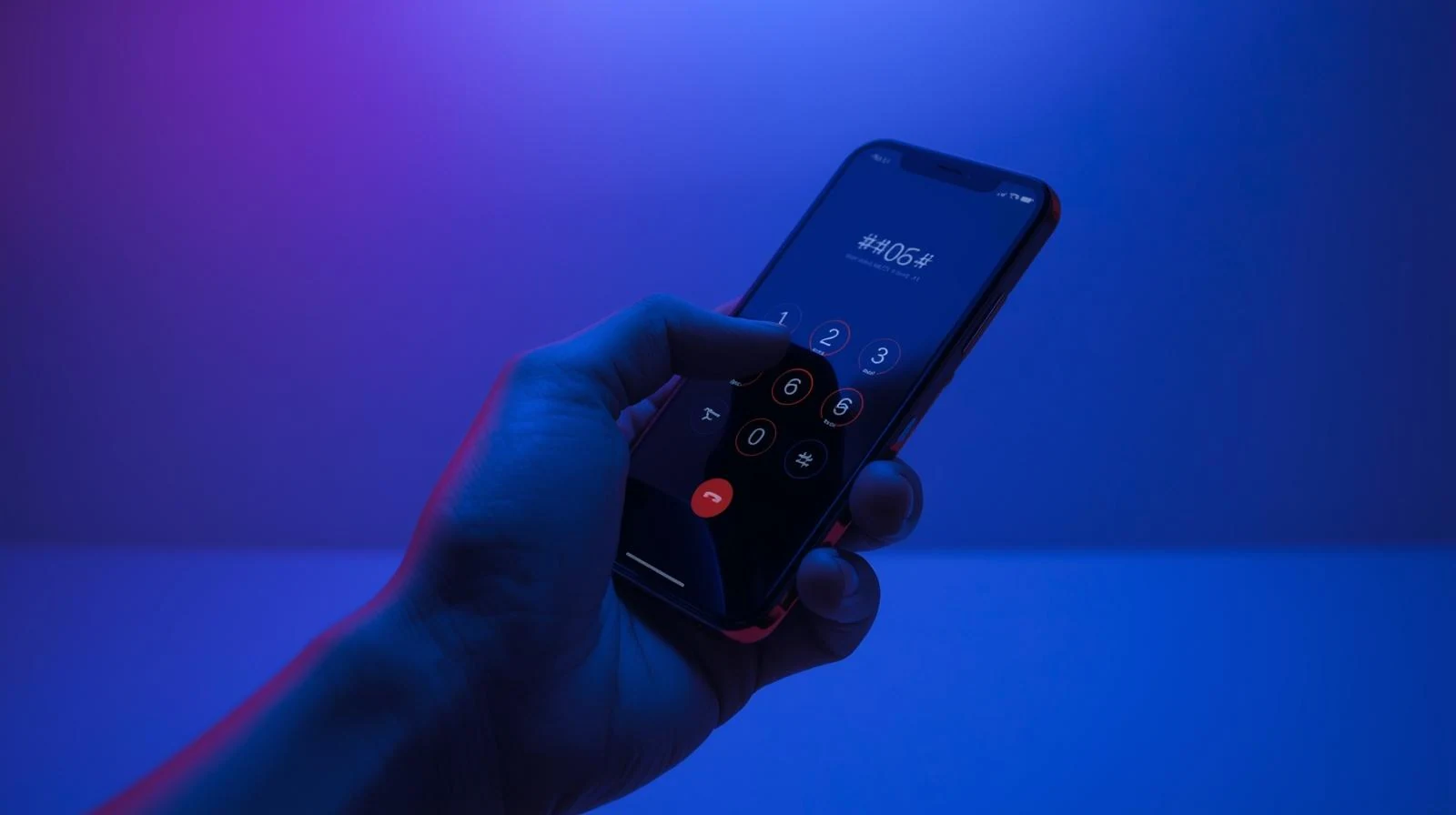
What is an IMEI Number?
Every mobile phone in the world has a unique identification number called an IMEI (International Mobile Equipment Identity).
This number acts like a digital fingerprint for your device and helps mobile networks identify phones when they connect to the network.
Whether you're buying a used phone, selling your device, or checking if a phone is safe to use, the IMEI number is one of the most important things you should verify.
What Does IMEI Stand For?
IMEI stands for International Mobile Equipment Identity.
It is a 15-digit code assigned to every mobile device that uses cellular networks such as GSM, LTE, and 5G.
What Is the Difference Between IMEI and Serial Number?
Many people confuse the IMEI number with the serial number, but they are not the same.
The IMEI is used to identify a phone on mobile networks.
The serial number is assigned by the manufacturer for production and warranty purposes.
In simple terms:
- IMEI = network identity of the phone
- Serial number = manufacturer identity of the phone
When checking a used device, the IMEI is usually more important because it can reveal blacklist or carrier-related issues.
When Should You Check an IMEI Number?
There are several situations where checking the IMEI is strongly recommended.
Before buying a used phone
This is the most important case. A quick IMEI check can help you avoid:
- blacklisted phones
- stolen devices
- wrong model information
- carrier-locked phones
Before selling your phone
If you are selling a device, sharing part of the IMEI check result can help build trust with buyers.
After receiving a phone from an online marketplace
If you bought a phone from eBay, Facebook Marketplace, Craigslist, or another resale platform, checking the IMEI should be one of the first things you do.
Can an IMEI Number Tell You if a Phone Is Stolen?
In many cases, yes.
If a phone has been reported lost or stolen, its IMEI may appear on a blacklist database used by carriers and device check services.
That means an IMEI check can help detect warning signs before you activate the phone or spend money on it.
However, not every stolen phone is immediately blacklisted, which is why buyers should always combine an IMEI check with common-sense precautions such as:
- verifying the seller
- checking the condition of the device
- confirming the model matches the listing
Common Reasons Why an IMEI Check Matters
An IMEI check is useful because it helps answer questions like:
- Is this really the phone model the seller claims it is?
- Has this device been blacklisted?
- Could this phone be blocked on certain carriers?
- Is the phone safe to buy second-hand?
For anyone buying or selling used smartphones, these answers can save time, money, and frustration.
Related Checks You May Want to Run
If you want more device verification information, you can also explore:
These tools can help you verify device details before making a purchase decision.
Continue with related IMEI guides
Explore practical checks and verification guides before buying or selling a used phone.
Run a quick device screening before buying or selling a used phone.
Find out whether a phone may have been reported lost, stolen, or blocked.
Verify whether a phone is restricted to a specific mobile network.
Read the step-by-step guide to verify a phone safely before paying a seller.
More from our blog
Continue reading more IMEI, blacklist, carrier, and used phone guides.
A technical breakdown of why factory-unlocked eSIM-only phones encounter 'IMEI Not Supported' errors on MVNOs, exploring the 3-Gate framework, host network whitelisting, TAC checks, and regulatory context.
New to eSIM? This beginner-friendly guide explains what an eSIM is, how it works, its advantages and disadvantages, and why travelers are switching to eSIM technology.
Not sure if your iPhone is locked to a carrier? This quick guide shows you how to check directly in your settings and understand what the results mean.
Your IMEI check says clean but your phone still doesn’t work? Learn the real reasons and what you can do before buying or using a device.